Showing posts with label life lessons. Show all posts

Saturday, November 5, 2016

My new normal

We all have this perception of what is normal, we have our normal work days, our normal routines but i realise normal is so relative to where we live, what our societies teach us, and what our families instill in us...

My blog posts have slowed right down these past few months. I wondered why this is then I realised, that throughout this year I have blogged about the new, the quirky, learning moments, cultural challenges and experiences and while there are still many lessons, cultural experiences and challenges they no longer seem new or unusual. I realise that Arusha Tanzania has become my home, it has become my normal.

Normal for me these days is dusty roads and dirty feet, people staring and calling out "Mzungu", being approached by strangers and asked about my marital status, for my number, for money, asked where I’m from and where I’m going. Overpacked hot and cheap dala rides, little
people running at me calling out “Teacher Rachel,” beggars, praying for strangers, having the title of missionary, Swahili lessons, Swahili greetings, living in community, missionary clothing, shopping at the markets, teaching Tanzanian children who answer my questions in Swahili, ask for things in Swahili and tell me their problems in Swahili! Double taking when I see another “Mzungu” especially on the dala, kids following me down the road. I now hardly blink twice when I see a man pushing a trailer down the road, or a motorbike carrying a couch, and live chickens in the dala.

Just like in NZ I have my weekly routine of teaching Monday-Friday, hanging out with friends in the weekend. We go shopping, we take turns cooking, we eat, we sleep, we have good days and bad day! I remember being in awe of missionaries but now I see that it’s not all that different and that wherever we are is our mission field. While I have gotten comfortable here I think it will hit me how extremely different my life has been here and in what ways this year has changed me and grown me when I return home. What has been “normal” my whole life will no longer feel so normal.

From little things like carpet under my feet, wearing jandels and not coming home covered in dust, driving myself around at any time of day or night, the price of vegetables and cost of eating out! Catching up with people I haven’t seen in a year and it will probably feel as if I never left. Going into a giant supermarket with so many options! Then also big things like everyone understanding me all the time! No language barriers, I am literally going to miss Swahili though! Also walking down the street and just being "normal" no one will be yelling out at me, asking me for my number, calling me Mzungu, staring like I’m from some mystical planet, asking me for money, wanting me to catch their bus!

Its crazy to think that these things have become my normal! And what was my normal will seem so strange. 

This year has been one of the most fun, challenging, rewarding, confidence and character building years of my life. When I first came, I felt so anxious going anywhere by myself. I felt overwhelmed by the attention we receive for being white, I worried so much about how to greet people and felt frustrated when I didn’t understand what people were asking me or saying about me! If I think back to when I first came small things like going on the dala seemed like huge accomplishments and greeting people in Swahili was a pat on the back moment. Now sometimes I just practice my swahili simply to make people laugh and smile. The other day I told the dala driver “si mzungu ninitwa Rachel” (I’m not mzungu I am called Rachel) which made everyone on the dala laugh but also meant I didn’t hear “mzungu” for the rest of the dala ride! Now I literally catch dalas all the time and when I go to visit my friend Lillia on the other side of town I even catch two dala’s walk 20 minutes and then ride a piki!

 I placed so many expectations and rules on myself in the beginning and I didn’t know how to respond to unwanted male attention. Now I walk to my swahili lesson with confidence and cross roads like a local. Around here if you hesitate crossing roads you will never get across that road haha! I have gotten really good at standing up for myself each time getting more straight up and direct. The other day I told a tourism guy who asked to meet for a drink “mimi missionary I’m not here to go on lots of dates, I am here to do Gods work” I would never say something like that back home. He then responded by saying that he is the lost sheep, hahaha.

There is a freedom that comes living in a new place a freedom to talk about God, to pray for strangers and to meet and befriend new people. I hope this same freedom stays with me when I am back on NZ soil, because God is literally the best thing that has ever happened to me and by not sharing him with others I am literally robbing them of the most purposeful, enriching, character developing life possible.

And while teaching here is so incredibly different to home it also has become my normal.
Things that happen here that I have never experienced teaching in NZ are things like kids missing school because they can’t afford school fees, not being able to help kids with their problems because I don’t understand what they are saying, and not being able to talk to parents because of language barriers, kids being fascinated by my hair, arm hairs and skin, they literally stroke me like I’m a cat lol. Not having to sunscreen 30 children every time they go outside during hot season is a definite bonus! and I never have to remind them to wear their hats either! Choosing books and realising how many are culturally irrelevant like stories about snow, santa, even the beach! Having someone translate my teaching and then translate what the kids are saying in response to a question I asked.

Kids here do not have heaps of toys at home to play with, so I am having to teach them to share which is a universal concept for children but here it’s not because they are used to having everything but rather because they are used to having hardly anything and therefore get possessive over things.
But just like teaching in NZ, some days are so frustrating and other days I wouldn’t want to be anywhere else doing anything else. There are kids who are eager to please and those who push the boundaries, those who struggle and those who are miles ahead! Children everywhere want affirmation and love! Each day they run to me and greet me with a hug and then fight for the position ofsitting next to me on the mat. I literally am going to miss all the kids I’ve had the privilege of teaching this year and I still miss the kids I taught at Lilliput in NZ. I take that as a sign I chose the right career.


I am beginning to feel so many mixed emotions about returning home. Sometimes I think of all the things I miss; friends, family, the beach, understanding the culture, and the cleanness of NZ, driving and freedom to go anywhere anytime, to shallow things like takeaways and shopping malls. Then other times I am literally willing time to slow down, I get FOMO when anyway in the team talks about next year. I almost cried when I realised that the last day I’ll see my friend Lillia is the 4th of December as she heads away on holiday. There are so many amazing people I have had the privilege of calling friends and family this year. Farewells are bittersweet but Gods plans are incredible. See you in just over a month New Zealand! 


Friday, August 5, 2016

50 first experiences! #missionarylife

It’s amazing to me how many situations I find myself in daily, that I have never and probably would never experience if I only ever stayed living in New Zealand. In just 4 and a half months, I will be back living in New Zealand, where life will be very different. So I want to remember all these quirky, amusing, and sometimes uncomfortable situations that I have encountered over this past year


  1. Often having no idea what is being said around me and sometimes even to me. I literally sat in an hour long meeting the other day, before I realised they were talking about electing someone as a chairperson. In a Tanzanian church service I usually make friends with a child because I have no idea what the pastor is saying.
  2. Learning Swahili and attempting to speak it which leads to some hilarious Swahili fails like: 
    Asking for books at a vegetable stand instead of potatoes Vitabu vs Viazi 
    Saying I need to go to the market to buy a buffalo instead of vegetables Mbogo vs Mboga (easy mistake)
    Answering a question like did you understand with good (nzuri) instead of yes (ndiyo). Not the best way to convince someone that I understood! 
    Telling someone I have been here 7 years instead of 7 months Mweze = months Mwaka = years. Then they really wonder why my Swahili is so bad!
    Singing worship songs wrong over and over again.
    Using you, we, he or she when I want to say I. It changes the meaning completely!
    Going to the toilet in a local food place and coming back out to ask if I am a mwanaume (male) or mwanamke (female).
    Having to write my daladala stop down on my phone in Swahili so that when the daladala conductor ask where I am going I can tell him! I have now proudly mastered that one and can say "Mwisho wa lami" (end of the tarmac) whenever I here "wapi" (where). My most amusing fail happened while in Zanzibar. At the place we were staying I asked the guy for some mugs and used words like maji (water) some hand gestures and charades to describe what I wanted. He went away for about 10 minutes and came back with a squeegee! The second time around he came back with a flask of boiling water and mugs…close enough.
  3. Having to introduce myself in Swahili in a Tanzanian church. There’s no chance of going unnoticed in church!
  4. Random compliments/ comment that I’ve never received before this year like: 
    “you look like a rasta” I am not sure why I’ve never been told that before? 
    “You look like a rock star” 
    “Mzungu, I love you” 
    “Are you German?” 
    “You look Scandinavian” 
    “Welcome to Tanzania” (just the other day)
    “I want her as my wife” (Old drunk Maasai man) 
    “Umependeza” you look nice
    “Give me your dog” while walking Lynda’s dog in the village
    My personal favorite “You look like Kim Kardashian” (while trying on a skirt)
    All from strangers and then from children...
    “is that your real hair” “when you get long hair will it be black”
    “are those mosquito bites (referring to my freckles) 
    “did you get bitten by a tetzy fly? (referring to a pimple on my face!)
    “wow nzuri” (while stroking my hair)
    “why does she have white hair?”
  5. Class 2 kids answering the question “why is it important that we have a clean living environment with “because otherwise you will get HIV Aids” hahaha that is most definitely not an answer NZ kids would think of! 
  6. Second hand clothes shopping which involves digging through piles of clothes to find some gold. It’s kind of like op shopping except wayyyy more intense because everyone wants you to buy from their stall. All you here is “rafiki, support me” “looking is free” and everyone is handing you things to try that they think you may like, such as a yellow jumper. I would literally look like a banana! Or skirts about ten sizes too big or too small! If I am looking for shoes there’s no way I have to bend down and try that shoe on myself! There is always someone ready to put shoes on my feet! 
  7. Which then leads to my next point bartering for everything! There is no way I am paying more than 30c for that second hand top haha. Sometimes the price bumps up for mzungu but now we take our secret weapon Joseph, Emma’s fiancĂ©, one of the first guys I’ve met who actually doesn’t mind shopping and always makes sure we get a good deal
  8. Having people try and sell me stuff on the street constantly. The most random things being a live chicken, a $5 NZ note, and a lamp shade!
  9. Being in a daladala (van) that’s so full that they can’t even close the door. I literally was holding on to both the inside and the outside of the van! Or sitting between 3 large
    mama’s on a two seater seat!
  10. Sitting on a daladala and having some high school girls quickly touch my hair and start giggling
  11. Strangers wanting to shake my hands as they pass me on the street
  12. Eating dinner with a street kid at the local chicken place (instead of giving him money) and not once going to town without being asked for money
  13. Staying at an orphanage and hanging out with some of the sweetest kids I’ve ever met with some of the most heart-breaking stories
  14. Using some of the most horrendous squat toilets I’ve ever experienced and hoping that it’s water on the ground and not something else.
  15. Running through the village
  16. Being served a huge portion of rice and still managing to finish it (what can I say I have a gift). The day we were given two lunches however, really tested how much I can eat!First I ate a plate of ugali (ground maize) and then a large of plate of rice!
  17. Sitting next to a man and his live chicken on the daladala and then realising there were about 7 more chickens tied together that were under the seat!
  18. Having random children run up and hug me. This happens a lot working with kids in NZ but usually only with children I actually know!
  19. Or having children terrified of my whiteness a simple glance and they run away crying!
  20. Having a flash mob of children surrounding me in a village touching me stroking my arms, hair and even licking me!! As if I’m some celebrity or mystical creature!  It literally started with a few children but they just kept coming out of nowhere!
  21. Camping in the Maasai bush and meeting people whose lives could not be more different to mine if they tried
  22. Praying for a group of Maasai women and their children with a group of Maasai DTS
    students!
  23. Watching a Maasai choir competition. Those Maasai men can jump soooo high!
  24. Singing and dancing with Maasai children
  25. Teaching Maasai children games like “crocodile, crocodile”
  26. Being a minority! I experienced this to a small degree at my primary school in Rotorua which was 90 % maori but never to the degree in which people constantly stare
  27. 12 hour bus rides with only one toilet stop!! And buying stuff out the window of the bus
  28. No knees in 2016! With the exception of our trip to Zanzibar! That’s right modest is hottest haha
  29. Teaching a class full of children where English is a second language and getting blank stares when I speak too fast or after 10 minutes of explaining a lesson. Also having an assistant teacher translate my lessons!
  30. Being in a place where there is seemingly no road rules! Don't wait for a gap just push your way in! Also helmets are more of a suggestion then a rule when riding any form of bike
  31. Greeting every single person at church with a handshake
  32. Praying for people in the village and having the privilege of seeing them except Jesus or set free!
  33. Having the neighbors child come to our house just to watch our washing machine go round and round! And entertaining children for hours with a front camera
  34. Being stuck in a 7 lane traffic jam where technically there should only have been 2 lanes for at least an hour.
  35. Doing extra jobs like filtering water through a bucket, boiling the
    milk that came straight from a cow, washing the fruit and vegetables we bought from the market, freezing rice, pasta and lentils just encase there’s any bugs in them!
  36. Wearing gumboots to school in the rainy season
  37. Weekly whole day power cuts
  38. Being called “teacher Rachel” I have had many names as a teacher. At Preschool in New Zealand, I was Rachy-pooh. On practicums I was Miss Judd at kids camps I was “Aunty Rachel” but never have I been “teacher Rachel”
  39. Going to town and back for less than a dollar!
  40. Having a video I took of Tanzanian Joshua school children singing a Te Reo Maori song go viral in NZ! It even got mentioned on the news!

    But even more impacting than what I have experienced is what I have learnt...

Sunday, May 22, 2016

Perception vs Reality

Do you ever wonder why we act the way we do and how our cultural upbringing influences our perceptions, thinking and choices? Or why certain things annoy us or matter to us so much?   I find it so fascinating especially living in a culture that is so different to my own. I am daily faced with my cultural prejudices and biases. So much of my thinking lately revolves around how I should respond, dress, speak and act in culturally appropriate ways.

There are certain situations that offend, discourage or annoy me about being a minority in Tanzania. But today while talking to my friend Lulu about these things I realised that my annoyance comes down to perceptions of events rather than reality.

An example is being greeted in a high pitched voice by males and youth. To me this feels like being mocked. Lulu offered a different perspective on why this happens. She said that the reason
they do this is out of shyness and not wanting to be shamed. Because if they say "hi" and then we do not answer then they can make out that it was just a joke. Lulu said she often will hear the youth daring each other in swahili to say hi to the wazungu.

Another situation where I felt I was being mocked was in the daladala (public transport), some high school girls were sitting behind me and touching my hair then laughing. It made me feel like some kind of freak show. I shared this with Lulu and she said that they are just amazed by me, because my hair is so different to their own. She explained that it’s not that they think i’m weird but more that they think of me as some kind of mystical creature.  Hearing this made me feel different about it, it’s kind of cool to be a mystical creature... I always wanted to be a mermaid as a kid :P.

My third example is being laughed at when I attempt to speak Swahili. Again I think I am being laughed at because I am saying it wrong. But Lulu explained that they are laughing because they are happy. It means so much when we speak their language. One thing I do love is the smile it puts on people’s faces when I do speak Swahili. It also makes me smile when an old bebe shakes my hand after I shikamo her (shikamo is a term of respect given to older people, it translates to “I kiss your feet”).

One day I’ll be back in NZ and no one will stare at me because I am different, no one will yell out to me “Mzungu,” or say "Hi" in a high pitched voice (unless that is actually how they talk). No kids will greet me with "good morning" when its actually the afternoon, in fact I probably won’t get greeted by kids at all! Unless they know me, and you know what I’ll probably really miss it!

It’s a weird paradox of wanting to blend in here but also kind of enjoying the fact that I am different and that everyone wants to talk to me. I am extroverted at heart so I love meeting and getting to know new people, some days more than others though.

While reflecting on all this, I realised that our western culture is one of mocking each other and that is not really the case here, so much so that sarcasm is often taken literally because it’s not a form of humor the locals use. And if you think about it the root of sarcasm is mocking.

Lulu surrounded by her fan club ;)
I truly love living in a different culture and feel so blessed and privileged to be spending a whole year in Tanzania. It is so easy to get caught up in our own little worlds and think that our own worldview is complete and accurate, but in reality there is so much to learn. I have also been thinking a lot about the way so many of us live life in New Zealand. Just because we have always done something a certain way doesn’t mean it’s the only way or even the best way. Why do we feel the need to mock each other? Why do we spend more time working and trying to get rich then we do with the people we love and care about? Why are we always so busy? Is this really the best way to live this life? And why if we are doing everything right, getting a career, having a family achieving goals keeping busy, why are so many of us still so unhappy? Why is the suicide rate so high in New Zealand? Why are there so many cases of domestic violence? We are so privileged yet it’s all not enough.

I’ve been reflecting on these things a lot lately as domestic violence stories full my homepage. I think a lot of it comes down to our perceptions and expectations.

For example, what is our perception of God? Is he only good when life is good, is he only worth living for when it suits our lives or is he good regardless of our circumstances? This year my conviction of God, as a good father has increased so much, it genuinely grieves me when I realise so many people don’t fully believe in the goodness of God. Believing God is good doesn’t mean I don’t get mad at God or have doubts at times it just means that I have an assurance that no matter what comes my way that my God is a good Dad and he is worth living for. He is all
 knowing, all powerful, all loving and even though I don’t always understand what he’s doing I’ll choose to trust in his goodness.
 At the same time though a good Father doesn’t get mad at his children when they are struggling, or doubting, a good father loves us anyway, and that’s what makes doing life with God a truly beautiful thing.

Friday, January 22, 2016

Cultural challenges! A teacher and a learner

If you ever want to learn about yourself; what inspires you, what you believe, what pushes your buttons, what your culture has ingrained in you, what matters most to you and how privileged and blessed you truly are, then immerse yourself in a culture that is completely different to your own.


School started back two weeks ago. My role while I am here is to work a long side the class teacher and her assistant in a mentoring role. So far this has involved observing lessons and offering suggestions, modelling lessons, planning with her, testing children for reading and arranging them in to reading groups, showing and planning reading activities, taking reading and writing groups, helping her to take differentiated lessons (catering to those who struggle and those who don’t). Encouraging her to plan ahead and prepare for her lessons in advance and to transition from lesson to lesson. At first so much time was wasted because things were not prepared in advance.


 I was worried that I wouldn’t know enough or have enough experience for this role, but as soon as I stepped foot in the classroom all my learning from teacher’s college, and practicums came flooding back. To the point that at first I was probably overwhelming the teacher with suggestions of things that could be done differently. Things that to me seemed like second nature because not only was I taught them at teacher’s college but also experienced them in my own schooling.

I have been extremely challenged this week and at times overwhelmed because I want to see things happen quickly. When I test child after child who can’t read at all, or when they do read can’t tell me about the story, it’s discouraging. It’s because I keep making comparisons to a New Zealand context and that’s not fair on anyone. There are so many factors that contribute to these issues. For starters English is their second language and they ae still very young. It’s likely the only place some of them hear English is at school. They don’t have iPad’s and TV’s to teach them English and then at this age they are only at school from 8-12.30. The children also have limited experiences they can’t afford to take holidays or go on day trips or on safari. But what they do know about they are experts in. Some of the kids in my class would be expert farmers and would look after their family cattle. If I asked them questions about this, in their own language, I am sure I’d learn a lot! Another factor is the majority of parents believe that it is the schools sole responsibility to teach their kids, so they don’t help them with their homework or read to them. There is also limited resources. Joshua school is more resourced than most other schools here but still compared to NZ there is a lot less and we can’t just print off all our lessons and planning.

I soon realised that the things I have learnt are partly experience but also cultural. The teachers here grew up in an education system that is completely rote learning and lecture styled, in classes of up to 100 children. This has produced a culture that can follow instructions but lacks initiative and the ability to problem solve and think outside the box. Fortunately, the Joshua school is here to change that. They teach their teachers to think, to problem solve, and to engage their students in learning. To use different methods of teaching and be creative. They challenge the cultural norms and keep the class sizes to a maximum of 30. So there are some great things happening here. Joshua school has now become a model school to other schools with teachers coming in to learn from the teachers here. They are empowering and raising up locals to lead, to train and to empower others. That is why I am here as a mentor and not to take the class because the goal is for the locals to capture the vision and run with it. They have a vision of seeing schools like this in every district of Tanzania. Lynda and Wendy are going out to lots of schools to mentor teachers. I will be able to go out with them some of the time to. However change takes times so there are still a lot of teething problems and cultural challenges. It’s not always easy at times and can be very frustrating but I am learning so much.

It’s easy to think that we know best and that our ways are the right ways but I think it’s important to celebrate the richness and diversity of different cultures. My culture is not all knowing and all sufficient. While I am here I am a teacher but I am probably even more so a learner. Some days I am exhausted from all I am learning, or reflecting on or being challenged about! Something I really appreciate and admire about this culture is their ability to take time to connect with each other. I had a whole Swahili lesson on just greetings because they have so many greetings here. They take the time to greet everyone they meet. On the buses you would think everyone already knows each other because they all chat away to each other. They also are unrushed. I realise how much I am driven by time and results. Here it’s (pole pole) slowly slowly. They get there when they get there and life’s not so busy and rushed.


I’m learning patience and to celebrate the small things. I felt God say to me the other day, when I was feeling like it’s all too much, to not ignore the small picture and the little victories because over time they become the big picture and big victories. I realise in the west we always want things to happen instantly and when it doesn’t we are tempted to quit. Change takes time and perseverance develops character and character produces hope. So despite some challenges I will persevere and celebrate the small victorious of which there have been many!


Friday, January 8, 2016

Village visits


I didn't doubt God's existence before I came here, but in a place like this Gods existence is so evident! I feel like in New Zealand life can be so comfortable and easy at times that I forget how powerful and amazing God truly is. Here people are getting healed in front of my eyes… you cannot deny that God has healed someone, when prior to being healed they don’t even believe in God or better yet believe in a different God and then start professing that the pains gone or they are able to do things that they weren’t able to do before. Or people who are influenced by evil spirits are set free in front of your eyes and their whole countenance changes. Or in a place where there is a lot of darkness you see the love and light of God in people’s eyes. 
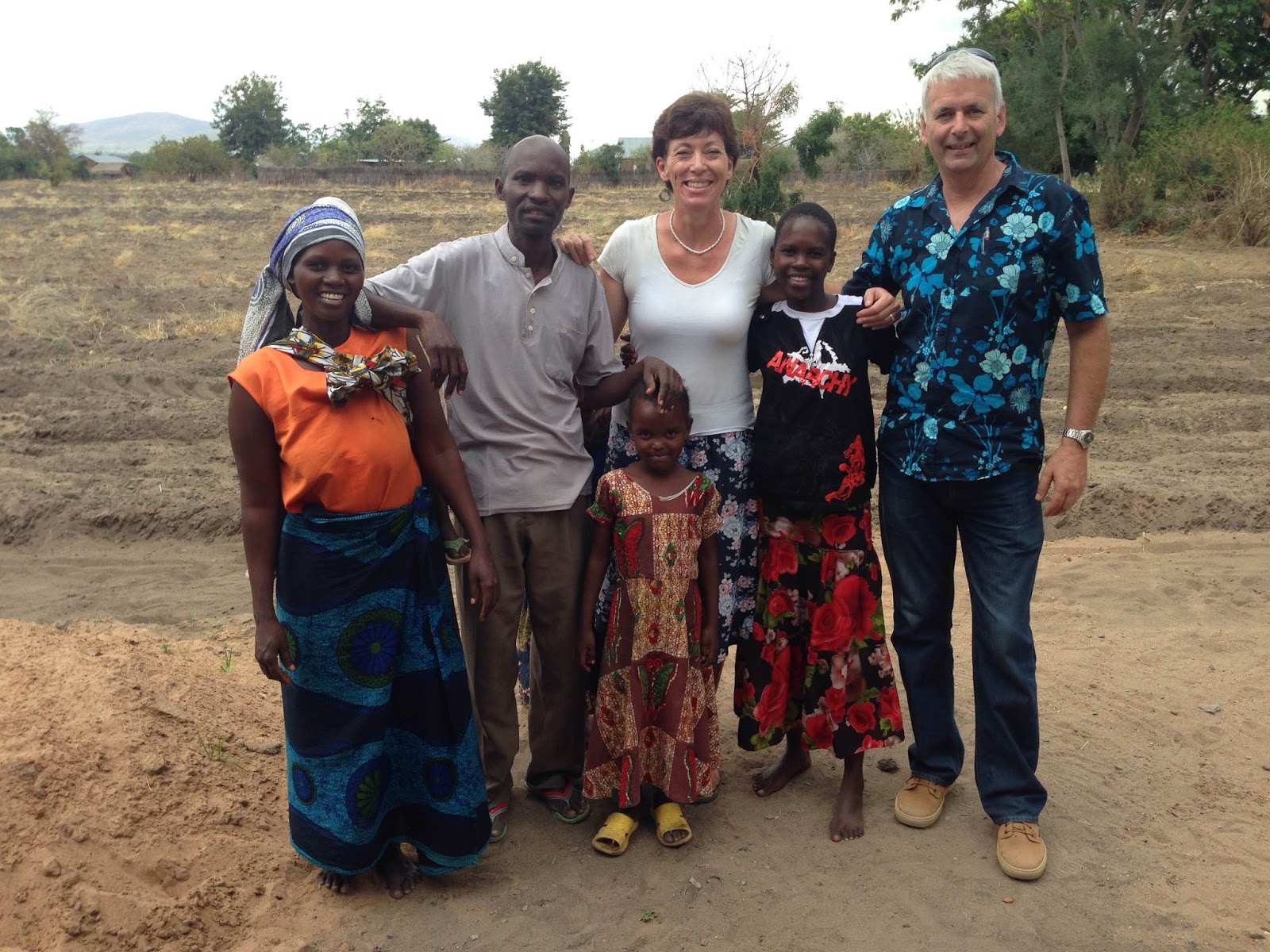
Pastor Francis and his family with Jan and Rod

We went and visited a local Magugu pastor (Pastor Francis) and his family that Rod, Jan and the prayer team know. Pastor Francis was taking a service at a neighbour’s house. When we arrived we were greeted so warmly and there was so much love and light in their eyes. I felt like I had known them forever even though I only just met them. As Pastor Francis preached he spoke about how several years ago he had a dream that three mazungu (white) missionaries came to visit him. He told his church at the time and the leaders laughed at him. He later had another dream that 7 missionaries came to visit him, again when he shared this dream he was laughed at. On one of Jan and Rods visits to the village they came across pastor Francis daughter Rachel (such a great name!) and ended up going to their house this is when they first met Pastor Francis and his family. Then on their next trip to Magugu they were with Becky and Adam (Emmas friends) and Mel and Dave (7 in total). Both his dreams were fulfilled which again shows how God works things out and brings people together to fulfil his purpose. Now Jan and Rod and the team can connect the people they pray for up with Pastor Francis to be taught and cared for. They were such a beautiful family that I wanted to bless them with some money. At this point they expressed their fears of having us visit. While they were extremely happy to see us they also worried because people in the village assume we will bring them money or gifts and then they try to get them to give them money or worse try to steal from them. I don’t think their house had a door so it wouldn’t be difficult for people to rob them. It shows how poor this village is and how desperate they get. We prayed for Gods protection over them.

The children who followed us in the village


On our way to pastor Francis we collected a lot of children who walked with us the whole way. Every two seconds I would feel a child jump up and touch my hair, as they got braver they then held my hand they followed us all the way to the church service. I feel most content surrounded by children and I loved that all the village children were filling Pastor Francis neighbour living room and hearing teaching about Jesus. The people who owned the house were not quite as thrilled to have them there and told the children to leave a few times. It really bothered me because I didn’t understand why they wouldn’t want to invite children in especially to a church service.  Respect is a big thing in this culture and Rod pointed out to me that the father of the house didn’t want the children there so maybe he was feeling disrespected or felt that they were disrupting. The children were not put off by being sent away they just waited outside for us to come out and again bid for our attention. They continued to follow us almost all the way out of their village. As we walked along more and more children seemed to come out of houses until there was a flash mob of children around me all trying to stroke my hair, my arms, hold my hands one even licked my hand! It was pretty full on but very amusing.  I personally didn’t mind their attention. I figured if we were the first white people they met then I wanted them to feel loved, and special rather than to think we were scary, mean or standoffish.  If that meant getting covered in the dirt that they had all over their clothes and hands and having their not so clean hands through my clean hair so be it. After a while we had to ignore them so they would go back to their own homes and stop following us. By this stage they had learnt my name so as we walked off all I could hear was “Byeeee Rachel”


Earlier in the day we had visited a different part of the village where the team had already made some connections and lots of people came forward for prayer some gave their hearts to God, some were healed others were encouraged. It’s amazing how open people are. Once again we were also surrounded by children. This particular group of children were much calmer. They obviously had seen white people before. A young girl Rachel and I connected over the fact that we had the same name and she came and sat on my knee. She chatted to me in broken English and I chatted to her in broken Swahili. I took a photo of her and soon all the children there were crowding around wanting to have their photos taken.

I had gone to Magugu a day earlier than the prayer team with Wendy and Lynda. They had a different purpose for being there, they were there too mentor and prepare the teachers in the school in Magugu for the coming school year. On Monday they taught about the participatory method (involving students as opposed to just lecturing at them) As I listened to Lynda teach, I soon realised that although this approach is something I was taught and experienced through my own schooling and teacher training, for the teachers in Magugu it was a foreign concept. They had not been taught to question or to think outside the box. Lynda’s questions that seemed so obvious to me challenged the teachers a lot. It made me realise how much I have taken for granted the quality education I have received and I feel inspired to teach and to use what I have been taught, because if I don’t use what I have then it loses its value. I want to use my training to empower people. Lynda talked about how research shows if we are lectured to we only remember about 5% of what we are taught but if we have opportunities to teach others we remember 90%. I found this really fascinating. Sometimes it takes seeing the opposite of your own experience to really appreciate what you have. A week of eating Rice, beans, and soggy chips, and egg omelette makes you appreciate fresh fruit and veges. I had a chicken wrap last night and I swear a chicken wraps never tasted so good! And Squat toilets make you appreciate normal toilets!
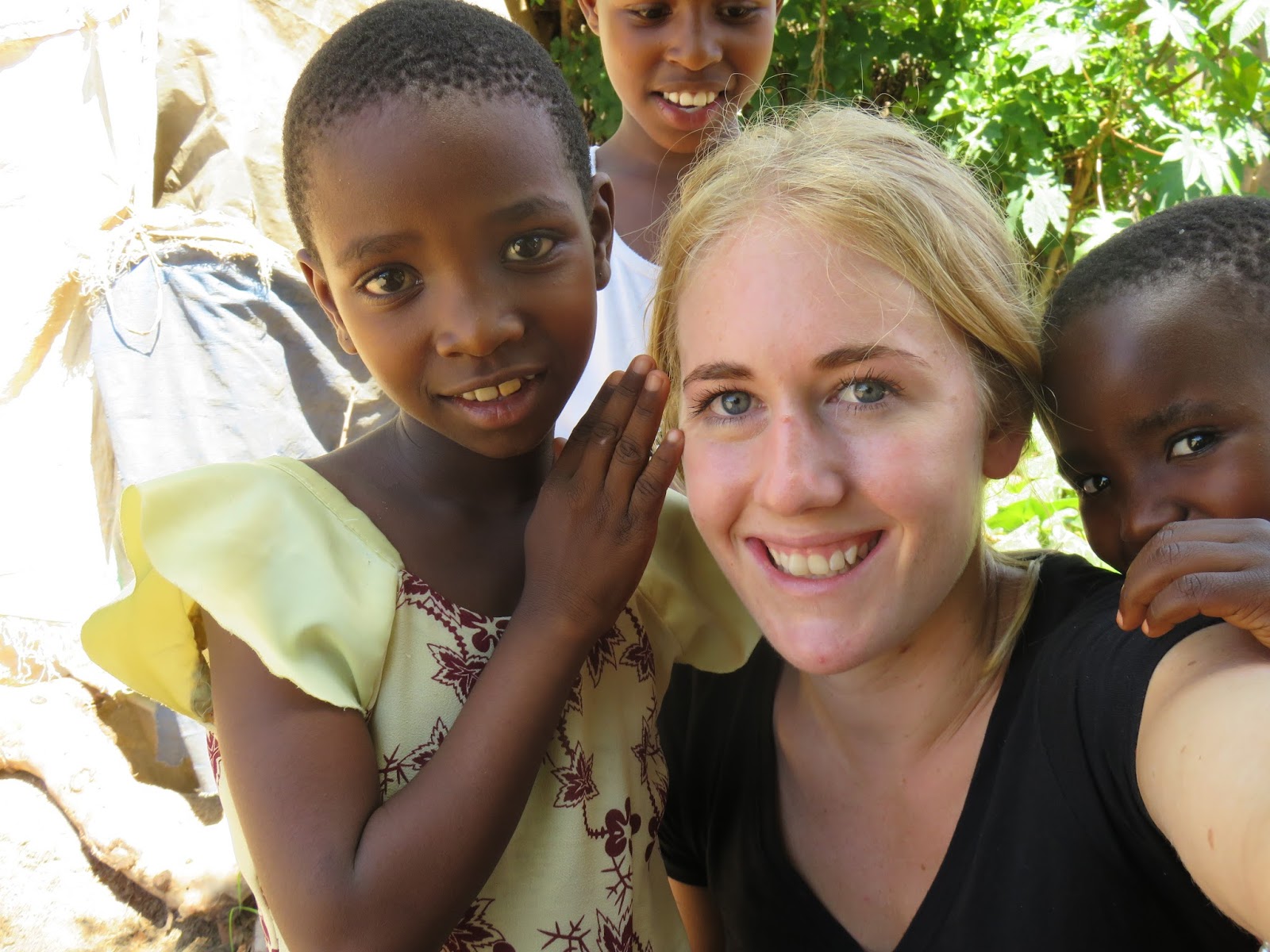
Joshua school here in Arusha, starts back  Monday. That is where I will be spending the majority of my days, with some visits to other schools and to Magugu again as well… I am looking forward to it.


My schedule is going to be a lot busier now so these blog post will probably slow down a bit too.